For centuries, Persian rugs have been renowned for their unparalleled beauty, exceptional craftsmanship, and intricate designs that exude elegance and grace. These masterpieces are highly sought after by collectors and homeowners alike and can add a touch of opulence and grandeur to any room. With so many different types of Persian rugs on the market, choosing the perfect one for your home can be a daunting task. Fear not, as we bring you the ultimate guide to everything you need to know about Persian rugs. From their rich history and origins to their various styles and patterns, we’ve got you covered.
Introduction
The ancient Persians were renowned for their creative and artistic skills, which they utilized to craft some of the world’s most stunning carpets and rugs. Persian rugs are made using traditional techniques passed down from generation to generation, with highly skilled artisans who use only the finest materials, ensuring that each rug is a unique work of art. The exceptional craftsmanship that goes into making Persian rugs is a testament to the skill and dedication of the artisans involved. The process is highly labor-intensive, involving several stages and many hours of work. The first step involves selecting the finest wool, silk, or cotton fibers, spinning them into yarn, and then dyeing them using natural dyes made from plants, insects, and minerals. The dyed yarn is then meticulously woven into intricate designs by hand, taking anywhere from several months to several years to complete a single rug.
The intricate designs are a hallmark of Persian rugs, and they are often inspired by nature, featuring an array of floral and geometric patterns. The interplay of colors and textures used in crafting these patterns is truly mesmerizing and lends Persian rugs their distinctive appearance. Popular designs include the Shah Abbasi, the Herati, and the Boteh, each with a unique history and symbolism. Age also plays a significant role in the beauty and value of Persian rugs. Many of these rugs are antique and have been passed down from generation to generation, becoming highly sought after by collectors due to their historical significance and beauty. Moreover, Persian rugs are highly durable, made using high-quality materials and traditional techniques that ensure they stand the test of time. With proper care and maintenance, a Persian rug can last for decades, if not centuries, making it a wise investment for those seeking to add a touch of timeless elegance to their homes.
What Makes Persian Rugs Different
The history of Persian rugs dates back more than 2,500 years when nomadic tribes in what is now modern-day Iran began crafting these masterpieces. Initially, these rugs were made from natural fibers like wool and silk and served various purposes, from floor coverings to clothing. However, as the art of rug-making evolved, Persian rugs became more refined and intricate, featuring designs inspired by the region’s rich culture and history. Today, Persian rugs remain an essential part of Iran’s cultural heritage, prized for their exquisite beauty, durability, and intricate patterns. The skill and artistry required to create these rugs have been passed down from generation to generation and are highly regarded as a hallmark of Persian craftsmanship.
For centuries, Persian rugs have played a vital role in Iran’s economy and trade. During the Safavid dynasty in the 16th century, they were highly sought after by European traders and became a valuable export commodity. Today, rug-making remains an important source of income for many rural communities in Iran. Aside from their cultural and economic significance, Persian rugs also have practical uses. They are incredibly durable and can withstand heavy foot traffic, making them ideal for high-traffic areas like hallways and living rooms. They also provide insulation, keeping rooms warm during winter and cool during summer. Persian rugs are considered works of art and are often showcased in museums and galleries worldwide. Their intricate designs and rich colors have inspired artists and designers for centuries and continue to do so today, cementing Persian rugs’ place as a timeless masterpiece.
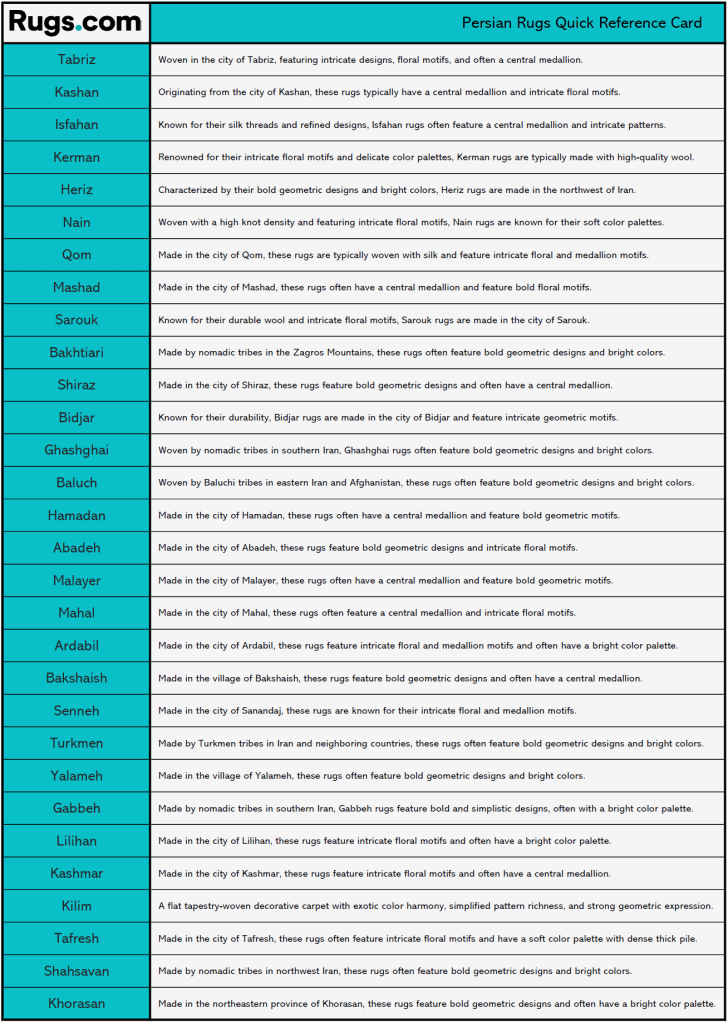
The designs of Persian rugs are influenced by several factors, such as geography, climate, religion, and history, making each rug unique. For example, Tabriz rugs often feature floral designs, while Kashan rugs are renowned for their intricate medallion patterns. The colors used in Persian rugs are also symbolic, with red representing happiness and good fortune and blue symbolizing power and strength. Persian rugs are handcrafted using natural fibers like silk, wool, and cotton. Artisans carefully select and prepare these materials before weaving them into intricate patterns using various techniques. The knotting technique is the most common, where knots are tied around the warp threads to create the rug’s pile. The knot count per square inch is an essential factor in determining the rug’s quality, with higher knot counts signifying superior skill and attention to detail.
Popular Types of Persian Rugs
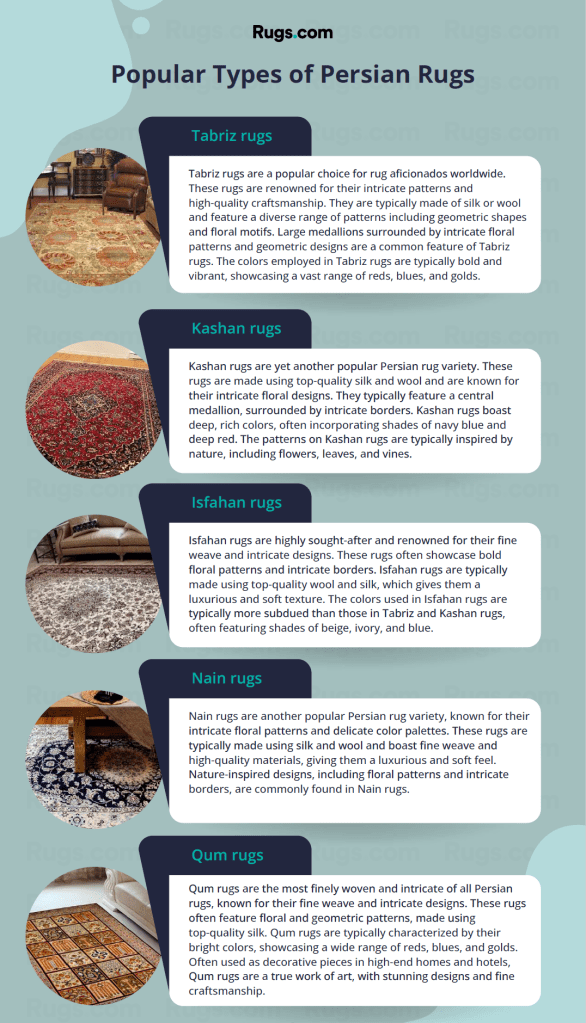
Tabriz rugs are a popular choice for rug aficionados worldwide. These rugs are renowned for their intricate patterns and high-quality craftsmanship. They are typically made of silk or wool and feature a diverse range of patterns including geometric shapes and floral motifs. Large medallions surrounded by intricate floral patterns and geometric designs are a common feature of Tabriz rugs. The colors employed in Tabriz rugs are typically bold and vibrant, showcasing a vast range of reds, blues, and golds.
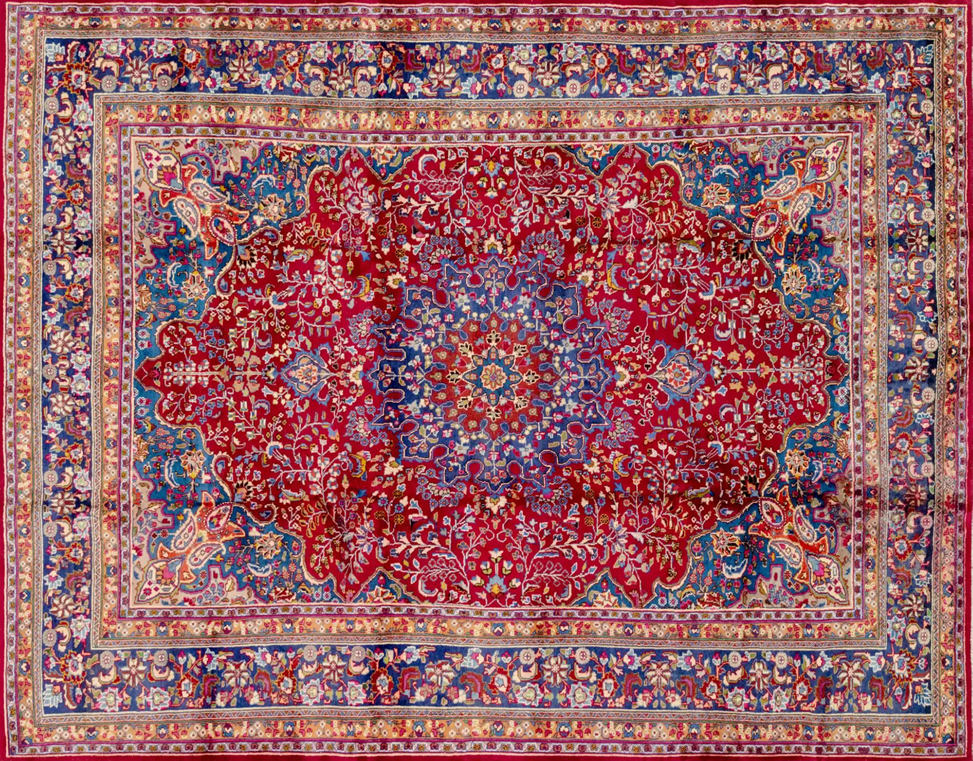
Kashan rugs are yet another popular Persian rug variety. These rugs are made using top-quality silk and wool and are known for their intricate floral designs. They typically feature a central medallion, surrounded by intricate borders. Kashan rugs boast deep, rich colors, often incorporating shades of navy blue and deep red. The patterns on Kashan rugs are typically inspired by nature, including flowers, leaves, and vines.
Isfahan rugs are highly sought-after and renowned for their fine weave and intricate designs. These rugs often showcase bold floral patterns and intricate borders. Isfahan rugs are typically made using top-quality wool and silk, which gives them a luxurious and soft texture. The colors used in Isfahan rugs are typically more subdued than those in Tabriz and Kashan rugs, often featuring shades of beige, ivory, and blue.
Nain rugs are another popular Persian rug variety, known for their intricate floral patterns and delicate color palettes. These rugs are typically made using silk and wool and boast a fine weave and high-quality materials, giving them a luxurious and soft feel. Nature-inspired designs, including floral patterns and intricate borders, are commonly found in Nain rugs.
Qum rugs are the most finely woven and intricate of all Persian rugs, known for their fine weave and intricate designs. These rugs often feature floral and geometric patterns, made using top-quality silk. Qum rugs are typically characterized by their bright colors, showcasing a wide range of reds, blues, and golds. Often used as decorative pieces in high-end homes and hotels, Qum rugs are a true work of art, with stunning designs and fine craftsmanship.
Materials Used in Persian Rugs
The secret to Persian rug’s exceptional craftsmanship lies in the materials used in their production. The wool used in Persian rugs is a crucial component, sourced from the finest sheep raised in the mountains of Iran. The climatic and grazing conditions result in the production of high-quality wool with a long, strong fiber. Once shorn, the wool is meticulously washed, dyed, and spun into yarn. This yarn is then transformed into the pile of the rug, creating a raised surface that forms the design. The best-quality wool comes from sheep raised in cooler climates and at higher elevations, yielding a finer, softer wool with a longer fiber, perfect for intricate designs. Often hand-spun, the wool creates a unique texture, adding to the rug’s overall character.
Silk is also a common material used in Persian rugs, especially in finer, more intricate designs. Sourced from silkworms raised in the region, silk production is a highly skilled and time-consuming process. After harvesting the silk from the cocoons of the silkworms, it is washed and spun into yarn. This yields a much finer and softer material than wool, allowing for more complex designs to be woven into the rug.
Cotton is another essential material used in Persian rugs, especially in the rug’s foundation. The cotton provides a stable base for the wool or silk pile to be woven onto. This cotton is typically spun into a strong, durable yarn that is woven into a tight, grid-like structure, providing the stability and structure needed for the rug to maintain its shape and durability over time.
The use of natural dyes is also critical, with many traditional dyeing techniques being passed down through generations of weavers. The use of natural materials in Persian rugs is a testament to their appeal. Natural materials are often more sustainable and durable than synthetic materials, and they also possess a unique texture and character that cannot be replicated with man-made materials. Their use also reflects the traditional techniques and values passed down through generations of weavers, making Persian rugs not only a true work of art but also a symbol of Persian culture.
The Art of Persian Rug-Making
Persian rug-making is not merely a skilled craft, but a reflection of Iran’s rich cultural heritage, renowned for its designs, vibrant colors, and exceptional quality. Creating these masterpieces requires a combination of traditional techniques and artistic vision, making it a laborious and time-consuming process. To start, selecting high-quality materials is paramount. The wool, silk, and dyes used in the rug significantly influence the outcome. Skilled artisans carefully choose wool from sheep in the highlands of Iran, known to produce long, strong fibers ideal for rug-making. The wool is then washed and spun into yarn with great skill and precision. Next, the yarn is dyed to create the rug’s rich and vibrant colors. Persian rugs are renowned for their colorful designs, which can be achieved using natural or synthetic dyes. Natural dyes made from plant materials, such as roots, berries, and flowers, are often used, but synthetic dyes can also be employed depending on the design and desired color palette.
Weaving the rug is the next step in the process, accomplished using a loom, a machine used to interlace the yarn into the rug’s foundation. Persian rug-makers use two types of knots, symmetrical and asymmetrical, to create geometric or floral patterns, respectively.
The weavers follow a detailed design called a cartoon, knotting and weaving the yarn precisely to match the design. The rug-making process is slow and meticulous, taking months or even years to complete a single rug, depending on its size and complexity. After weaving the rug, it undergoes a finishing process. Washing, stretching, and shearing the rug to create an even pile height is included in this process. The rug is also carefully inspected for flaws or imperfections, which are then repaired by hand.
In addition to their beauty, Persian rugs are highly valued for their durability and longevity. A well-made Persian rug can last for decades or even centuries, making it a worthwhile investment for any collector or homeowner. The art of Persian rug-making is a testament to the skill, precision, and artistic vision of Iran’s skilled artisans, and a reflection of the country’s rich cultural heritage.
Persian Rug Patterns & Ideal Settings
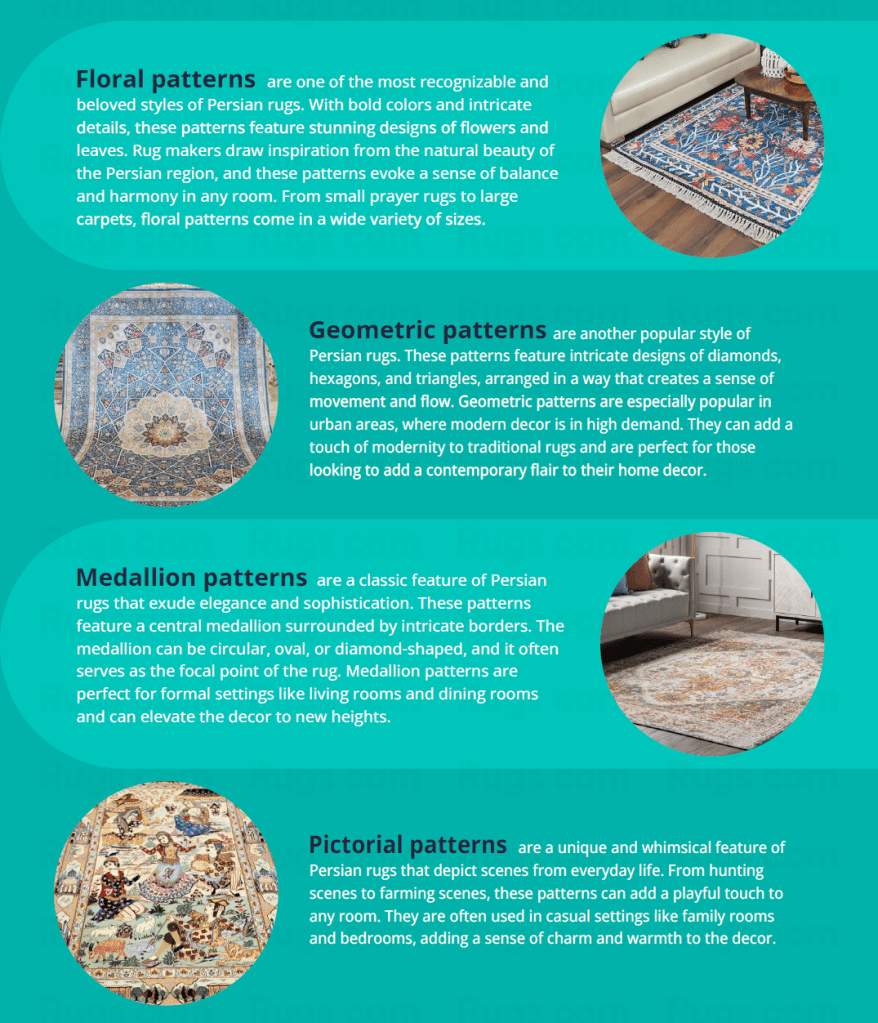
Floral patterns are one of the most recognizable and beloved styles of Persian rugs. With bold colors and intricate details, these patterns feature stunning designs of flowers and leaves. Rug makers draw inspiration from the natural beauty of the Persian region, and these patterns evoke a sense of balance and harmony in any room. From small prayer rugs to large carpets, floral patterns come in a wide variety of sizes.
Geometric patterns are another popular style of Persian rugs. These patterns feature intricate designs of diamonds, hexagons, and triangles, arranged in a way that creates a sense of movement and flow. Geometric patterns are especially popular in urban areas, where modern decor is in high demand. They can add a touch of modernity to traditional rugs and are perfect for those looking to add a contemporary flair to their home decor.
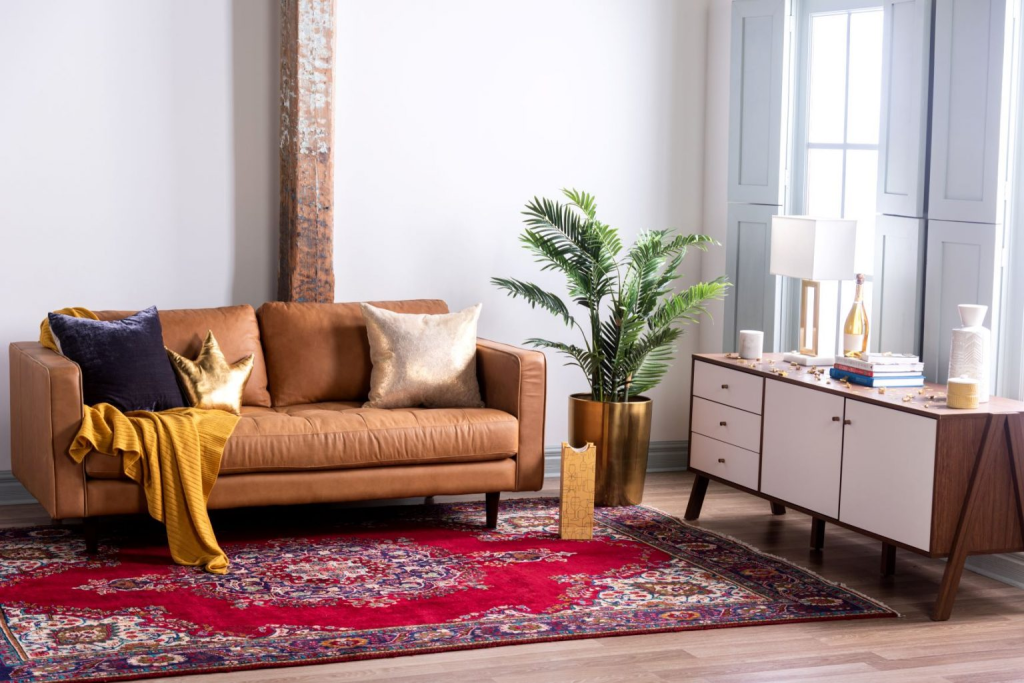
Medallion patterns are a classic feature of Persian rugs that exude elegance and sophistication. These patterns feature a central medallion surrounded by intricate borders. The medallion can be circular, oval, or diamond-shaped, and it often serves as the focal point of the rug. Medallion patterns are perfect for formal settings like living rooms and dining rooms and can elevate the decor to new heights.
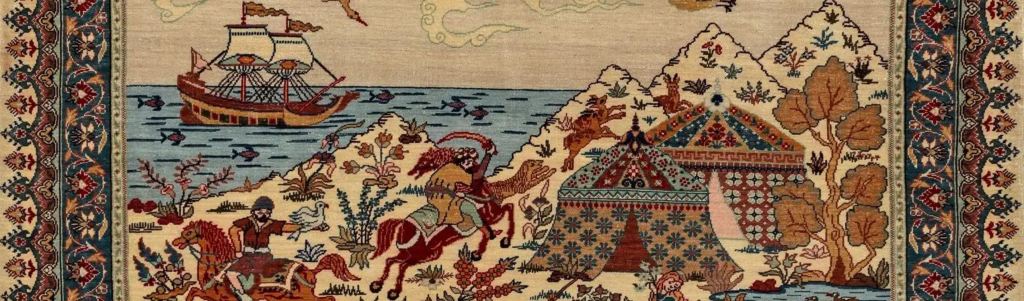
Pictorial patterns are a unique and whimsical feature of Persian rugs that depict scenes from everyday life. From hunting scenes to farming scenes, these patterns can add a playful touch to any room. They are often used in casual settings like family rooms and bedrooms, adding a sense of charm and warmth to the decor.
Aside from the popular styles and patterns, Persian rugs come in a wide variety of colors and sizes. Reds, blues, and greens are some of the most popular colors, and they are often combined with other colors to create intricate designs. Persian rugs range in size from small prayer rugs to large room-sized carpets, making them a versatile option for any home decor style.
Choosing the Right Persian Rug for Your Home
When it comes to selecting a Persian rug for your home, there are various essential factors to consider. The size, style, and color of the rug are crucial in creating a warm and comfortable atmosphere that complements your existing decor. Selecting the correct size of the rug is critical since Persian rugs come in various sizes, ranging from small accent rugs to large room-sized ones. Measuring your space carefully and selecting a rug that fits well in the room is crucial. The style and color of the rug are equally vital to consider. Persian rugs are available in various styles, from traditional to modern, and it’s crucial to choose one that matches your current decor. The color of the rug is also crucial as it sets the tone for the room. Bright colors can create a playful and energetic atmosphere, while more muted colors can generate a relaxing and peaceful environment.
Quality is also an important factor to consider when selecting a Persian rug. Persian rugs are known for their longevity and durability, and investing in a high-quality rug ensures it lasts for many years to come. Additionally, the material of the rug is an important consideration. Persian rugs are typically made of wool, silk, or a combination of both. Wool rugs are more durable and affordable, while silk rugs are more luxurious and delicate. The material you choose should be based on your needs and lifestyle.
When shopping for a Persian rug, it’s also important to consider the knots per square inch (KPSI). The KPSI refers to the number of knots woven into the rug per square inch. Higher KPSI rugs are typically more intricate and detailed and are of higher quality, however, they are also more expensive than lower KPSI rugs. The age of the rug is another important factor to consider. Antique Persian rugs can be quite valuable and add a sense of history and heritage to your home. However, they may require more maintenance and care than newer rugs.
Finally, taking care of your Persian rug is crucial. Vacuuming your rug regularly prevents dirt and debris from settling into the fibers. Rotating your rug periodically ensures that it wears evenly. If your rug becomes stained or soiled, clean it promptly using a gentle cleaning solution and avoiding harsh chemicals.
 THE RUG REVIEW