
Introduction to Machine Made Rugs
Machine made rugs are a type of rug that is produced using automated machinery. These machines weave together yarns to create a rug, rather than a person hand-weaving the rug. Machine made rugs are known for their durability, affordability, and diverse designs. They are a popular choice for many homeowners, interior designers, and commercial spaces. Machine made rugs have come a long way since their inception in the early 1900s. The machines used to produce machine made rugs have evolved, allowing for greater precision and control over the weaving process. This has led to an increase in the quality and diversity of machine made rugs available in the market.
One of the key benefits of machine made rugs is their affordability. Unlike hand-woven rugs, which can be expensive due to the amount of time and labor required to make them, machine made rugs can be produced at a lower cost. This makes them accessible to a wider range of people, including those on a budget. Machine made rugs are also known for their durability. Because they are made using machines, the yarns are tightly woven together, creating a strong and long-lasting rug. Machine made rugs are also less likely to shed or wear down quickly, making them ideal for high-traffic areas.
In terms of design, machine made rugs offer a wide variety of styles and patterns. With the use of computer-aided design (CAD) programs, machine made rugs can be created with intricate designs and colors that would be difficult to achieve with hand-weaving. This means that machine made rugs can suit a range of personal styles and home decor preferences. It is important to note that not all machine made rugs are created equal. The quality of a machine made rug can vary depending on factors such as the materials used, the manufacturing process, and the brand. It is essential to do research and choose a reputable brand that uses high-quality materials and manufacturing processes.
In conclusion, machine made rugs are an affordable, durable, and versatile option for anyone looking to decorate their home or commercial space. With the advancements in technology and design, machine made rugs have become a worthy contender in the world of interior design.
The Manufacturing Process of Machine Made Rugs
Machine made rugs are created using a mechanized process that involves the use of power looms. The manufacturing process typically involves the following steps:
- Design Creation: The first step in creating a machine made rug is designing the pattern. This can be done using computer software or by manually creating a design. The design is then programmed into the power loom.
- Yarn Preparation: The yarn used in machine made rugs is typically made from wool, cotton, or synthetic materials such as nylon or polyester. The yarn is spun into cones or spools and loaded onto the power loom.
- Warping: The yarn is wound onto a beam, called a warp beam, which is mounted onto the power loom. This creates the base of the rug.
- Weaving: The power loom then weaves the yarn back and forth across the warp beam, creating the design of the rug. The weft yarn is inserted by a shuttle that moves across the loom and picks up the weft yarn from a spool. The weft yarn is then beaten down by a comb-like tool, creating a dense pile.
- Finishing: Once the weaving is complete, the rug is removed from the loom and undergoes a series of finishing processes. This can include trimming the edges, washing the rug to remove any excess dirt or debris, and adding a backing material to provide additional support.
Materials Used in Machine Made Rugs
Machine made rugs can be made from a variety of materials, including natural and synthetic fibers. The choice of material can impact the rug’s durability, texture, and appearance. Let’s take a closer look at some of the most commonly used materials in machine made rugs:
- Wool: Wool is a natural fiber that is widely used in the rug industry. It is a durable material that can withstand heavy foot traffic and is naturally stain-resistant. Wool rugs also have a soft and luxurious feel, making them a popular choice for bedrooms and living rooms.
- Cotton: Cotton is another natural fiber that is commonly used in machine made rugs. It is a soft and lightweight material that is easy to dye, making it a popular choice for bright and colorful designs. Cotton rugs are typically less expensive than wool rugs but may not be as durable.
- Nylon: Nylon is a synthetic fiber that is known for its strength and durability. It is often used in high-traffic areas such as hallways and entryways. Nylon rugs are easy to clean and maintain and are available in a range of styles and colors.
- Polyester: Polyester is another synthetic fiber that is commonly used in machine made rugs. It is a durable and stain-resistant material that is easy to clean. Polyester rugs are typically less expensive than nylon rugs but may not be as durable.
- Olefin: Olefin is a synthetic fiber that is known for its resistance to water and stains. It is often used in outdoor and indoor/outdoor rugs. Olefin rugs are typically less expensive than other synthetic materials but may not be as durable.
Styles and Designs of Machine Made Rugs
Machine made rugs come in a wide variety of styles and designs, ranging from traditional to contemporary. Let’s take a closer look at some of the most popular styles and designs of machine made rugs:
- Traditional: Traditional machine made rugs often feature intricate patterns and designs inspired by antique Persian and Oriental rugs. They are typically made with wool and have a dense pile, creating a luxurious and comfortable feel underfoot.
- Transitional: Transitional machine made rugs blend traditional and contemporary styles, often featuring a combination of classic patterns with modern colors and designs. They are a popular choice for those who want a rug that is both timeless and on-trend.
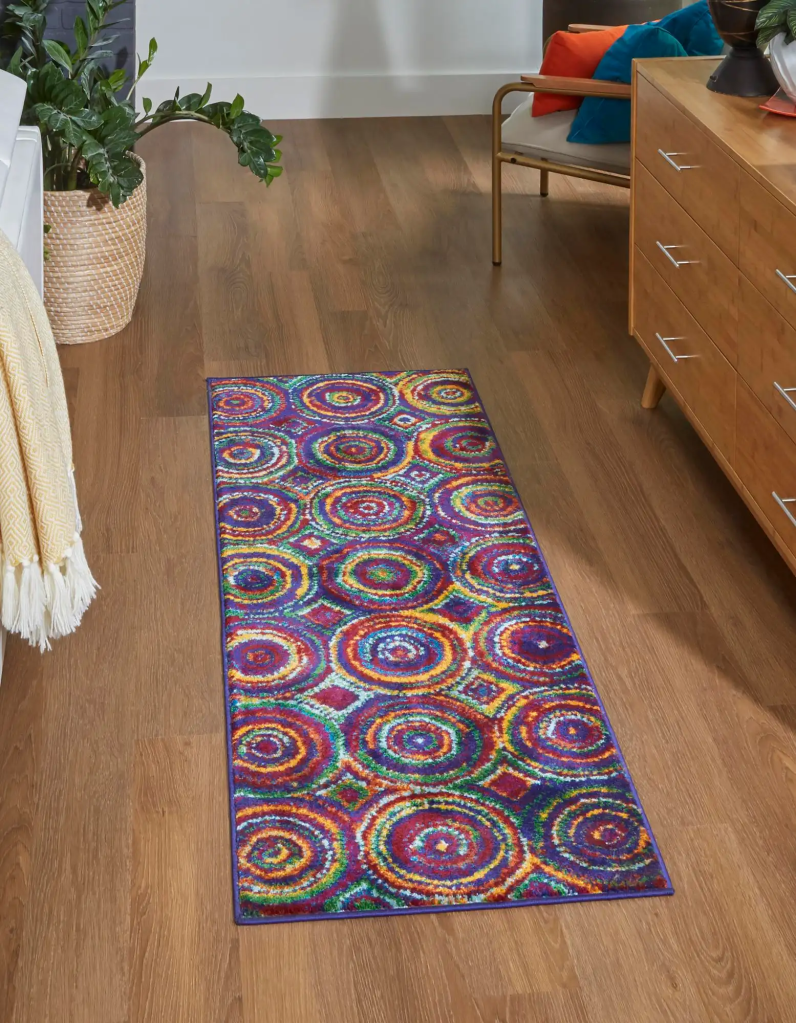
- Contemporary: Contemporary machine made rugs often feature bold, abstract designs and vibrant colors. They are a popular choice for modern and minimalist spaces, adding a pop of color and texture to any room.
- Shag: Shag machine made rugs have a long pile, creating a soft and fluffy texture underfoot. They are a popular choice for bedrooms and living rooms, adding a cozy and comfortable feel to any space.
- Outdoor: Outdoor machine made rugs are typically made with synthetic materials such as olefin and are designed to withstand exposure to the elements. They are a popular choice for outdoor patios, decks, and other outdoor living spaces.
Techniques Used in Machine Made Rugs
Machine made rugs are produced using a variety of techniques, each with its own advantages and disadvantages. Let’s take a closer look at some of the most common techniques used in machine made rug production:
- Power Loom: Power loom is the most common technique used in machine made rug production. It involves using a computerized loom to weave the rug, which can produce a large number of rugs quickly and efficiently. However, this technique may result in a lower quality rug with less detail than a hand-woven rug.
- Tufting: Tufting is another popular technique used in machine made rug production. It involves using a tufting gun to insert loops of yarn into a pre-existing backing. The loops are then cut to create a pile, resulting in a rug with a soft and plush texture.
- Needle Punching: Needle punching involves using a machine with multiple needles to push fibers through a backing material, creating a looped pile. This technique is often used to create low-pile rugs and is not as common as power loom or tufting.
- Embossing: Embossing is a technique that involves pressing a design into a rug’s backing material. This technique can be used to create intricate patterns and designs on the rug’s surface, resulting in a unique and textured finish.
Choosing the Right Machine Made Rug for Your Space
Choosing the right machine made rug for your space can be a daunting task, but it doesn’t have to be. Here are some tips to help you find the perfect rug for your home or office:
- Consider the space: When choosing a machine made rug, it’s important to consider the size and layout of the room. For example, a large area rug may be suitable for a living room, while a smaller accent rug may be more appropriate for a bedroom or office.
- Think about the style: The style of the rug should complement the existing decor of the space. For example, a traditional rug may be a good fit for a classic or antique-inspired room, while a contemporary rug may work well in a modern or minimalist space.
- Choose the right material: Machine made rugs can be made from a variety of materials, including wool, synthetic fibers, and blends. Consider the durability and maintenance requirements of each material before making a decision.
- Consider the color and pattern: The color and pattern of the rug should complement the color scheme and decor of the space. A neutral rug may work well in a room with bold and vibrant accents, while a patterned rug can add visual interest to a monochromatic space.
- Set a budget: Machine made rugs are often more affordable than hand-woven rugs, but prices can vary widely depending on the size, material, and quality of the rug. Set a budget before starting your search to help narrow down your options.
Caring for Your Machine Made Rug
Caring for your machine made rug is essential to ensure its longevity and beauty. Here are some tips to help you care for your rug:
- Vacuum regularly: Regular vacuuming is important to remove dirt, dust, and debris that can accumulate on the rug’s surface. Use a vacuum with a rotating brush or beater bar to agitate the fibers and remove dirt and debris from deep within the pile.
- Spot clean spills: If a spill occurs, it’s important to clean it up as soon as possible to prevent staining. Blot the spill with a clean, damp cloth to absorb as much liquid as possible, then apply a mild detergent solution to the area and blot again until the stain is removed.
- Avoid excessive moisture: Excessive moisture can cause damage to the rug’s fibers and backing, so it’s important to avoid getting the rug too wet during cleaning. Use a damp cloth or sponge to clean small areas, and avoid using steam cleaners or soaking the rug.
- Rotate the rug: Rotating the rug every few months can help prevent uneven wear and tear, especially in high-traffic areas.
- Professional cleaning: It’s recommended to have your machine made rug professionally cleaned every 1-2 years to remove deep-set dirt and stains and extend the life of the rug.
 THE RUG REVIEW