
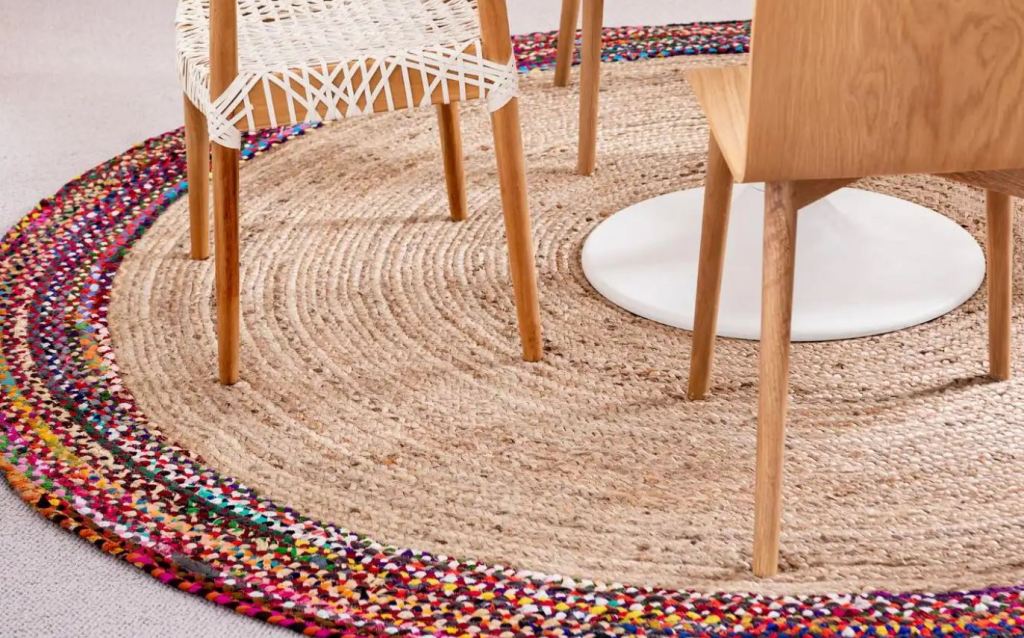
Jute rugs are a type of floor covering made from the natural fibers of the jute plant. Jute is a long, soft, shiny vegetable fiber that can be spun into coarse, strong threads. It is primarily grown in India and Bangladesh, where the climate and soil conditions are ideal for jute cultivation.
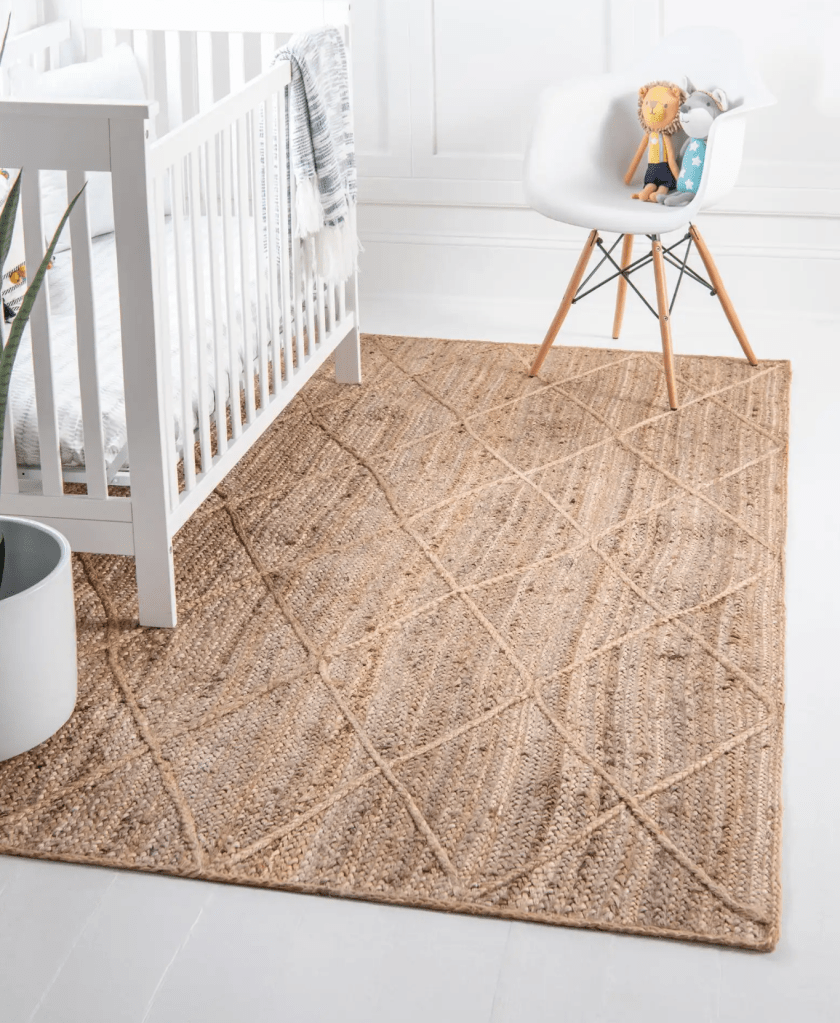
Here are some key points about jute rugs:
- Material: Jute rugs are woven using the fibers of the jute plant, which is classified as a bast fiber. Jute is known for its durability and softness, making it a popular choice for rugs.
- Natural and Eco-Friendly: Jute is a sustainable and eco-friendly material. It is biodegradable and renewable, as it is derived from plants. Jute rugs are a great option for environmentally conscious consumers.
- Appearance: Jute rugs have a distinctive natural look and texture. They typically come in earthy tones, ranging from light beige to darker browns. The fibers have a slightly shiny appearance, which adds a touch of elegance to the rug.
- Texture: Jute rugs have a coarse texture due to the natural fibers. While they may not be as soft as some synthetic rugs, they still provide a comfortable feel underfoot. Jute fibers have a natural variation in thickness, which contributes to the rug’s texture.
- Durability: Jute rugs are known for their durability and strength. The natural fibers are resilient and can withstand moderate foot traffic. However, they may not be as resistant to heavy use or high-traffic areas as some synthetic rugs.
- Care and Maintenance: Jute rugs require proper care to maintain their appearance. They should be vacuumed regularly to remove dust and debris. It is important to avoid excessive moisture, as jute can be susceptible to mold and mildew. If spills occur, prompt and gentle blotting is recommended.
- Indoor Use: Jute rugs are primarily intended for indoor use. They are commonly used in living rooms, bedrooms, and dining areas. However, it is best to avoid placing them in areas with high moisture, such as bathrooms or kitchens.
- Natural Variations: Due to the natural origin of jute, there may be slight color and texture variations between rugs. This adds to the uniqueness and charm of each jute rug.
- Layering and Styling: Jute rugs can be used as a base layer for layering with other rugs or as a standalone statement piece. They provide a neutral and versatile backdrop that complements various interior design styles.
- Allergies: Jute rugs are generally considered hypoallergenic as they do not attract dust mites or harbor allergens. However, individuals with severe allergies may still want to exercise caution and perform a patch test if they have specific sensitivities.
Overall, jute rugs offer a natural and eco-friendly flooring option with a unique texture and appearance. They are a popular choice for those seeking sustainable and stylish home decor.
 THE RUG REVIEW